Ronnie Barker
Click above to listen
As the lovable prisoner Norman Stanley Fletcher, cantankerous shopkeeper Albert Arkwright and in the legendary Four Candles sketch in the Two Ronnies, Ronnie Barker earned a place as one of the greatest comic actors of his time.
He was born in Bedford in 1929, and the family moved to Oxford when he was four. Ronald - as he was known until he was in his thirties - always yearned to be in entertainment, and took up amateur dramatics while working as a trainee architect and then a bank clerk.
After failing to get into drama school and against his father’s wishes, Ronnie took the plunge and joined the Aylesbury Repertory Company at the age of 19. He quickly discovered he was suited to comedic roles - thrilled at the sound of laughter coming from the audience.
After a time with the Oxford Playhouse and several years playing small parts in the West End, he moved to radio..in particular the Light Programme classic The Navy Lark, appearing in 300 episodes.
His television break came in 1966 - Ronnie..by this time in his late thirties..was offered work with the Frost Report which starred David Frost, John Cleese and the man who was to become his comedy partner, Ronnie Corbett.
This led to the Two Ronnies, the sketch show that included memorable routines such as the Mastermind skit and the Phantom Raspberry Blower of Old London Town as well as those famous Four Candles. For years, Ronnie contributed his own material under the name Gerald Wiley.
Then came solo work in Open All Hours, Porridge and its spin-off Going Straight and the Magnificent Evans - with Ronnie each time carving out a larger-than-life persona.
Then - at the age of 58 - he retired..wanting to go out while he was on top. Apart from a handful of special appearances and the hundreds of repeat airings of his classics - he was never seen on our screens again and he died of heart failure in 2005 at the age of 76.
His employer, the BBC, described him as one of the leading figures of British television comedy, and the British Comedy Awards writers’ accolade was renamed the Ronnie Barker Award. Gerald Wiley would have been very proud.
Recently Played
-
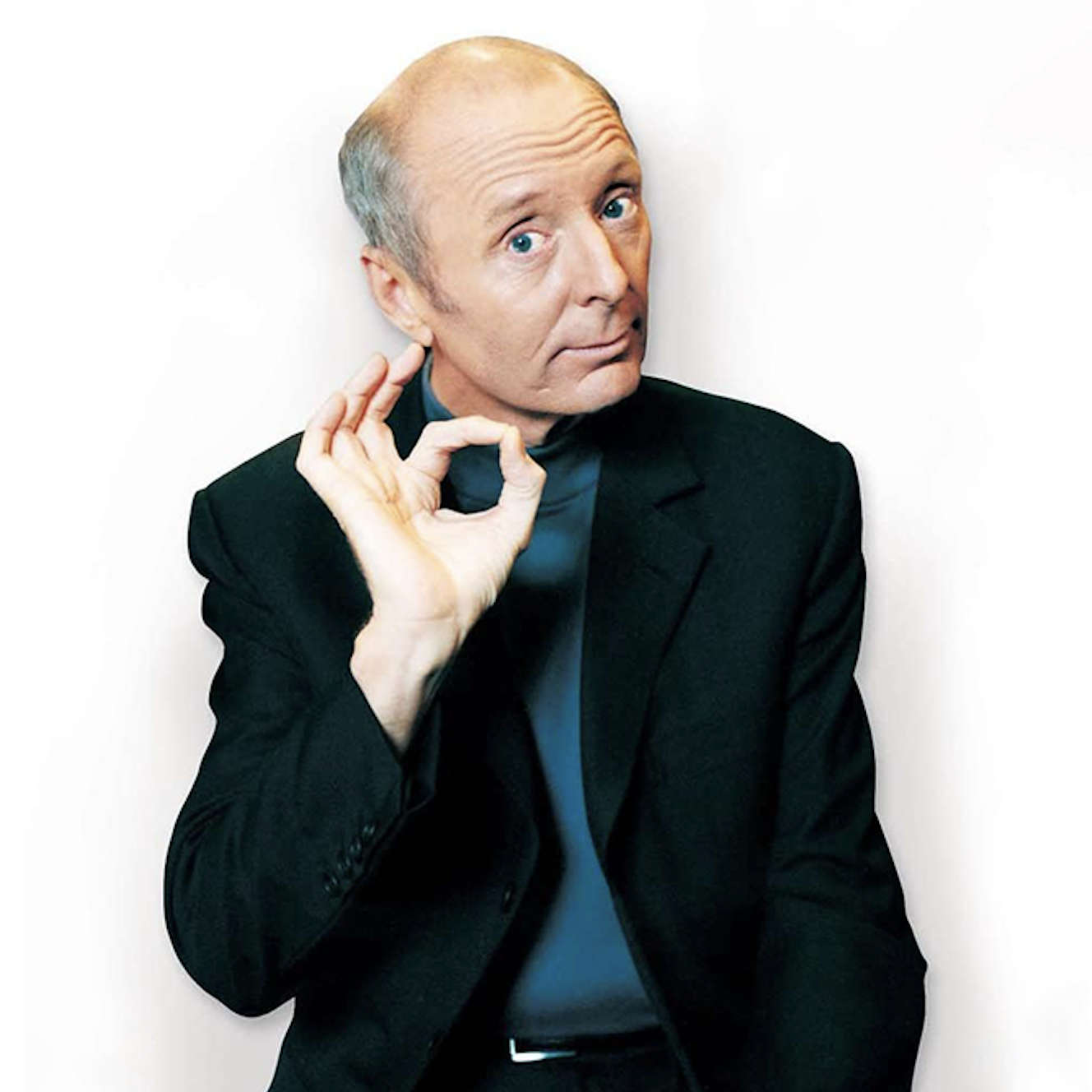
-
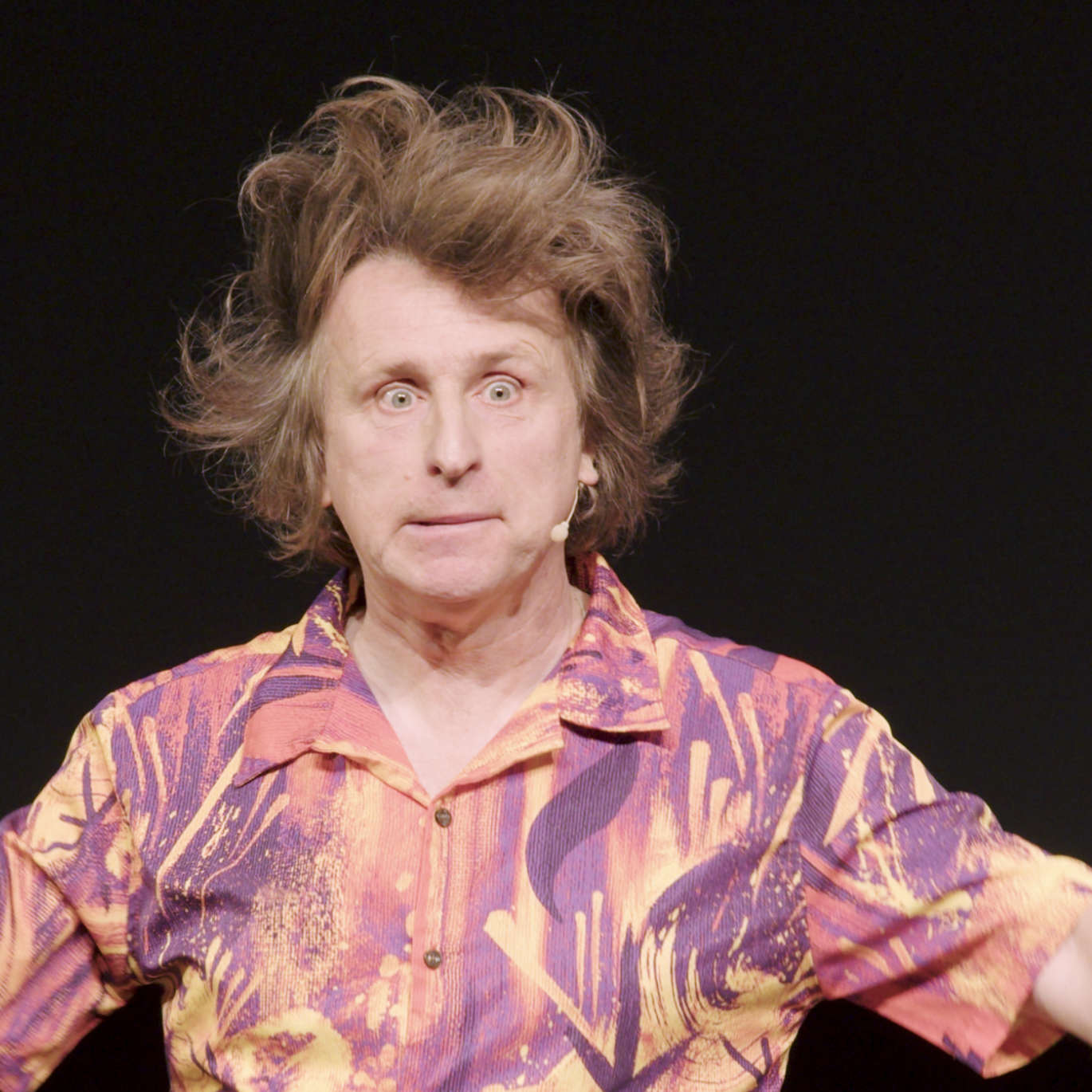
Secret Service
Milton Jones From His Milton Impossible Tour (2022) -
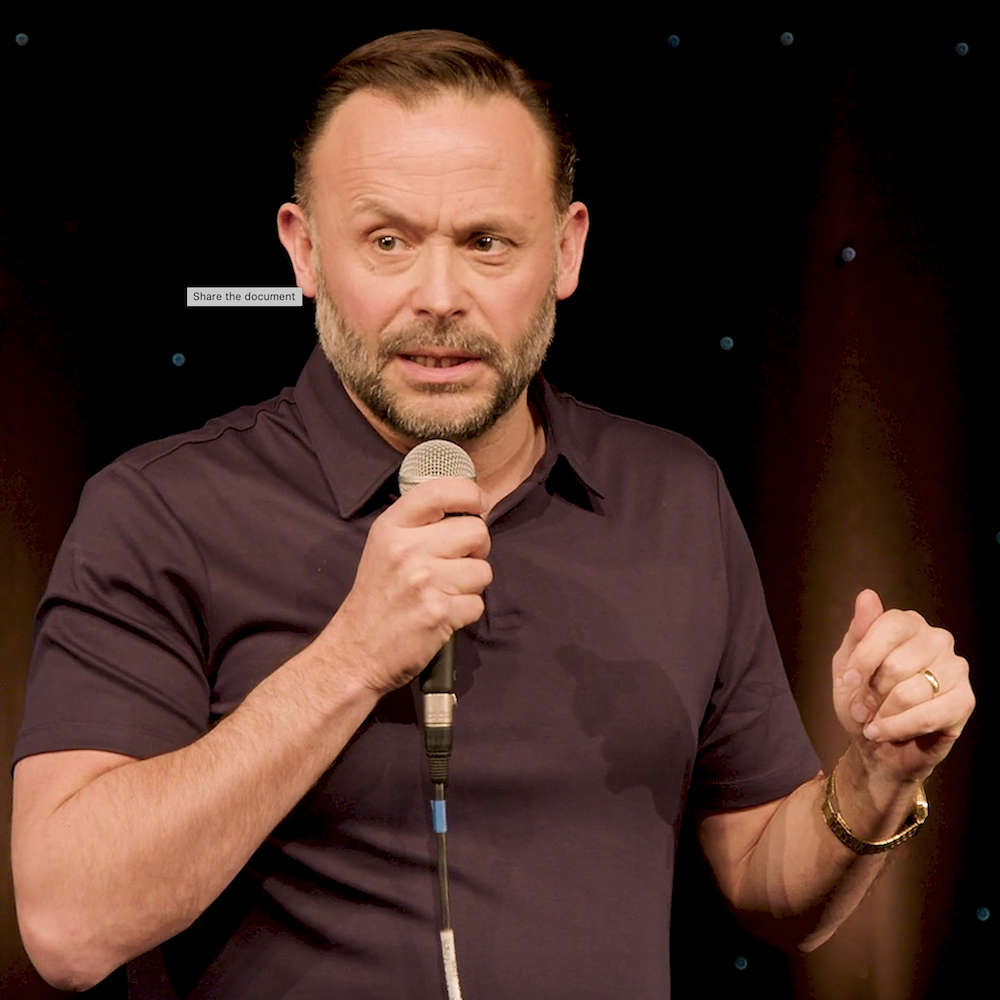
Whose Side Are You On?
Geoff Norcott From His Basic Bloke Tour (2024) -
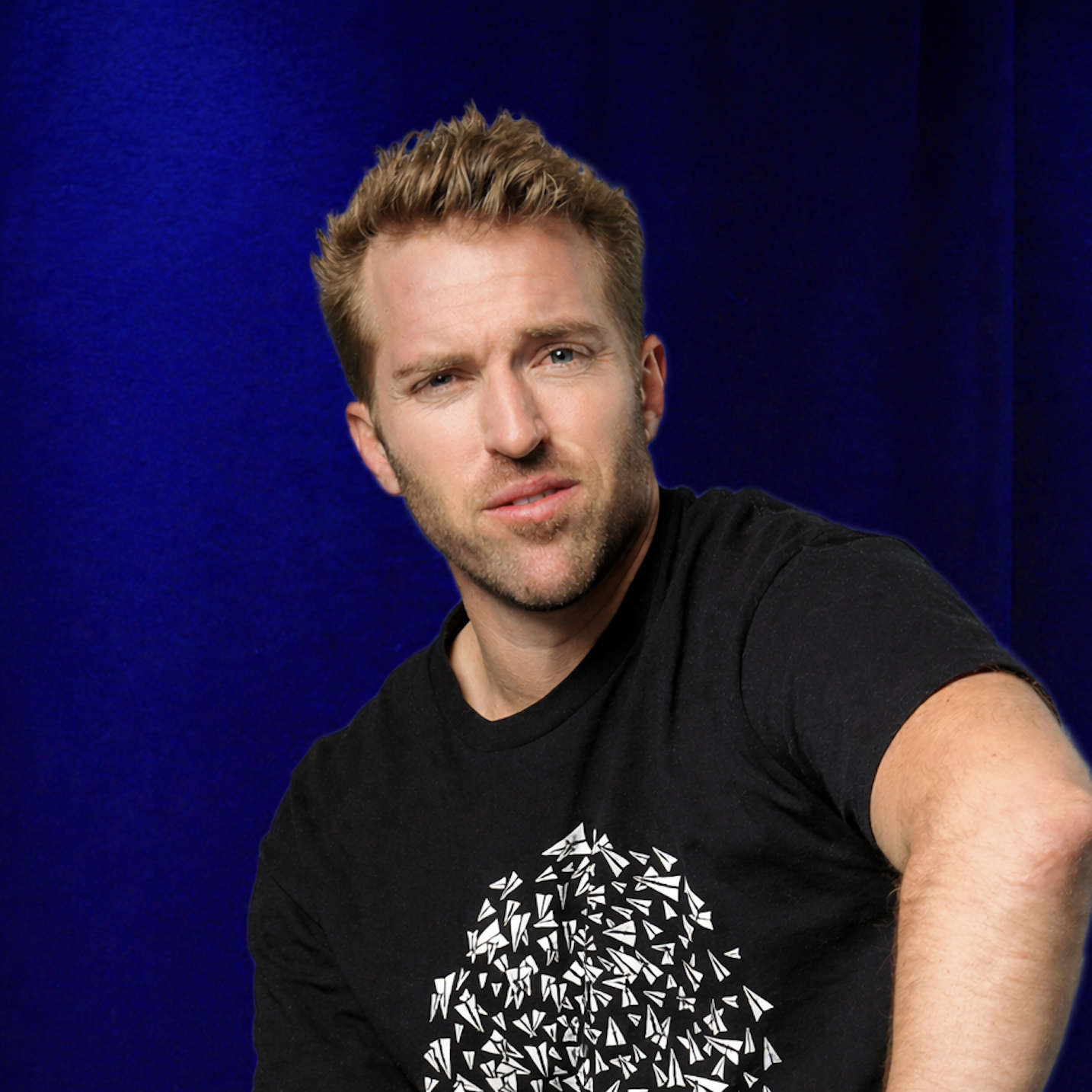
Social Battery
Russell Hicks From His Happy To Be Here Tour (2025) -
-
-
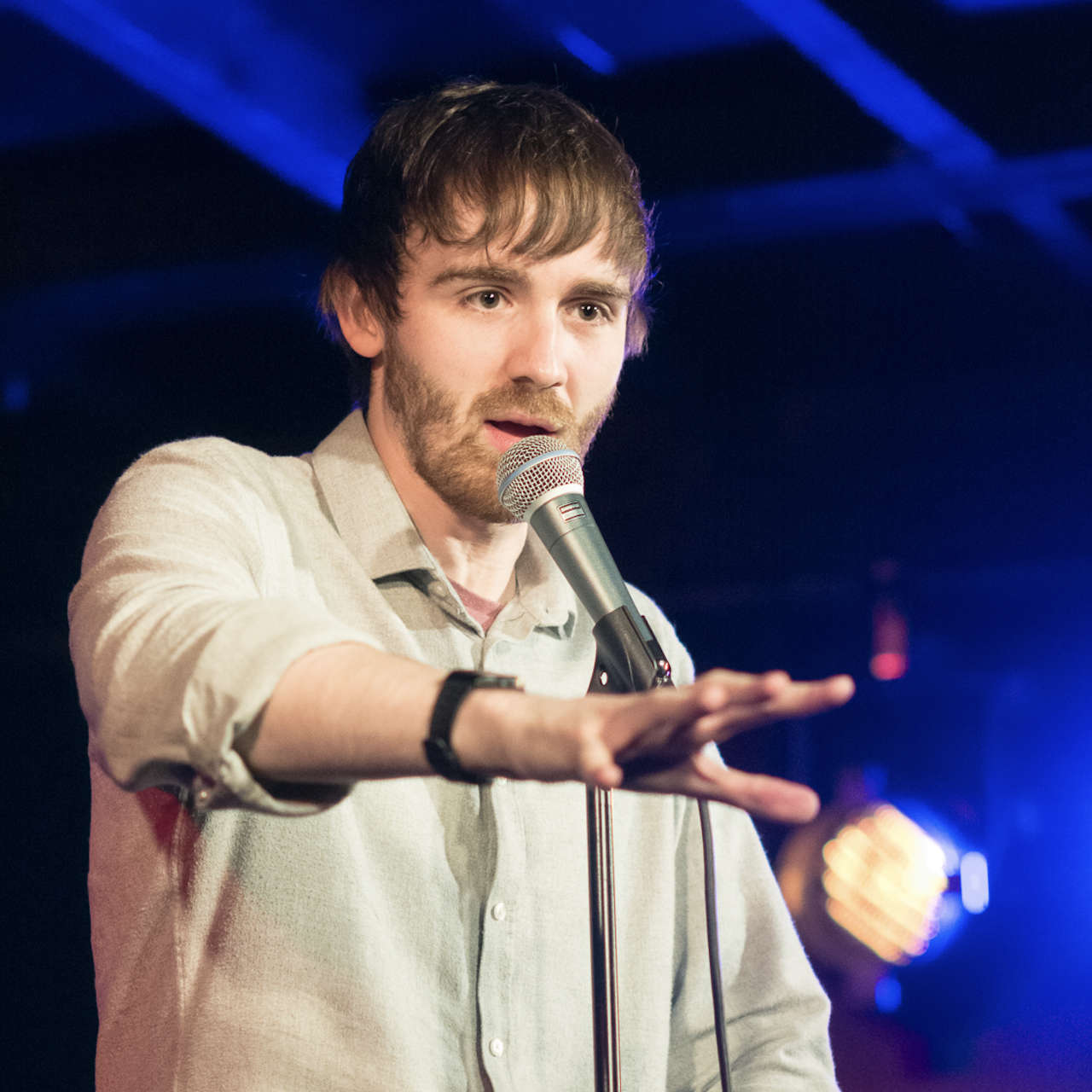
Low Expectations
Ian Smith From His Half Life Tour (2020) -
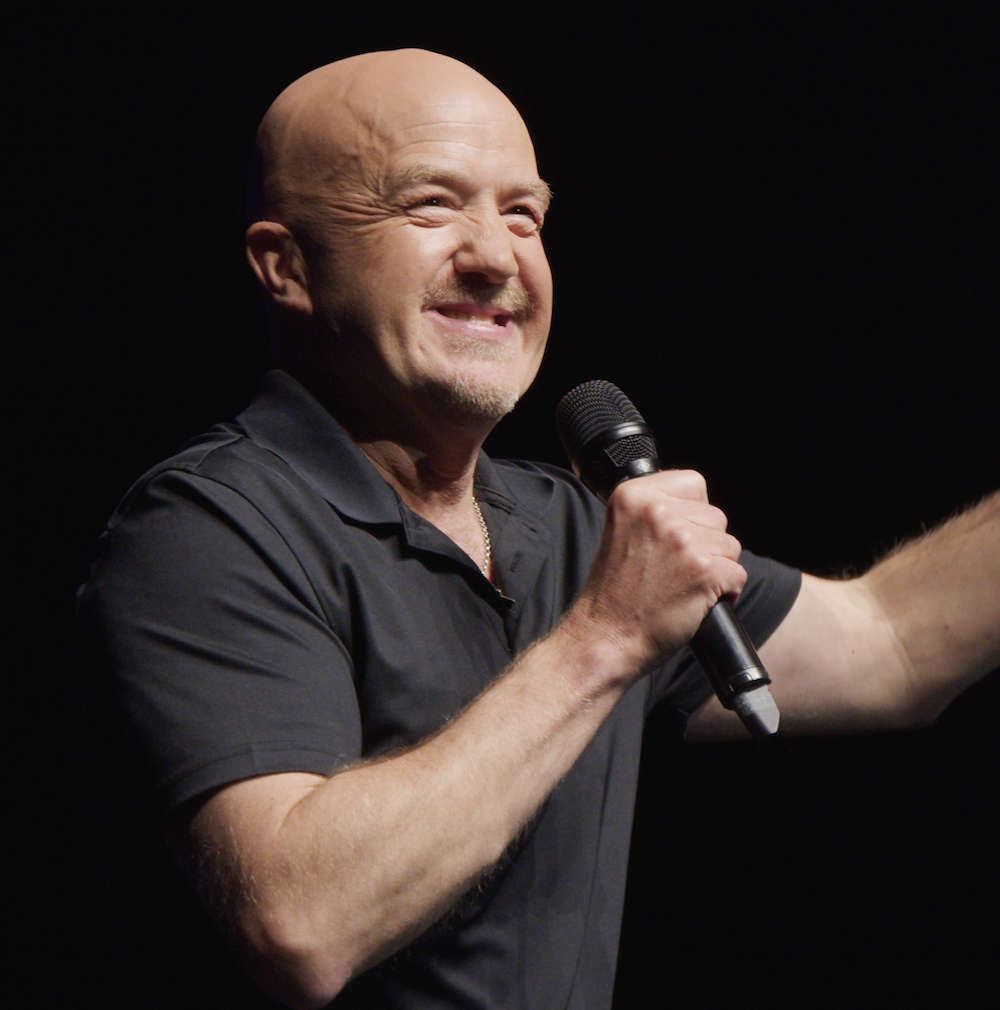
Common Sense Isn't
Andy Parsons From His Baffingly Optimistic Tour (2024) -

Paris To Berlin
Jo Caulfield From Her Here Comes Trouble Tour (2024) -
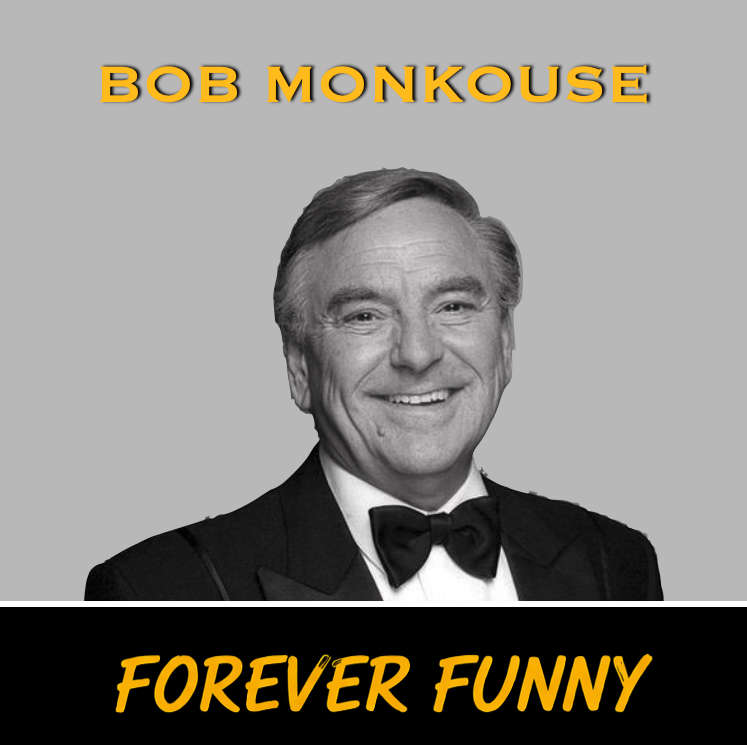
Forever Funny - Bob Monkhouse
A Quick Profile Of A Comedy Great -
The Lean Song
Tim Vine From His Punslinger Live Tour (2010) -
Consent At The Opticians
Marcus Brigstocke From His Absolute Shower Tour (2024)